
The Triund trek is the single most popular day hike in the Dhauladhar range, and for good reason. Starting near McLeod Ganj at roughly 2,850 metres, it rewards a half-day’s effort with a 360-degree meadow view — snow-streaked Himalayan peaks on one side, the entire Kangra Valley spilling out on the other. You don’t need mountaineering experience or multi-day acclimatisation for the Triund trek, just reasonable fitness and an early start.
This guide covers everything you need for the Triund trek in 2026: the route, timing, permits, costs, and practical tips for setting out from McLeod Ganj.
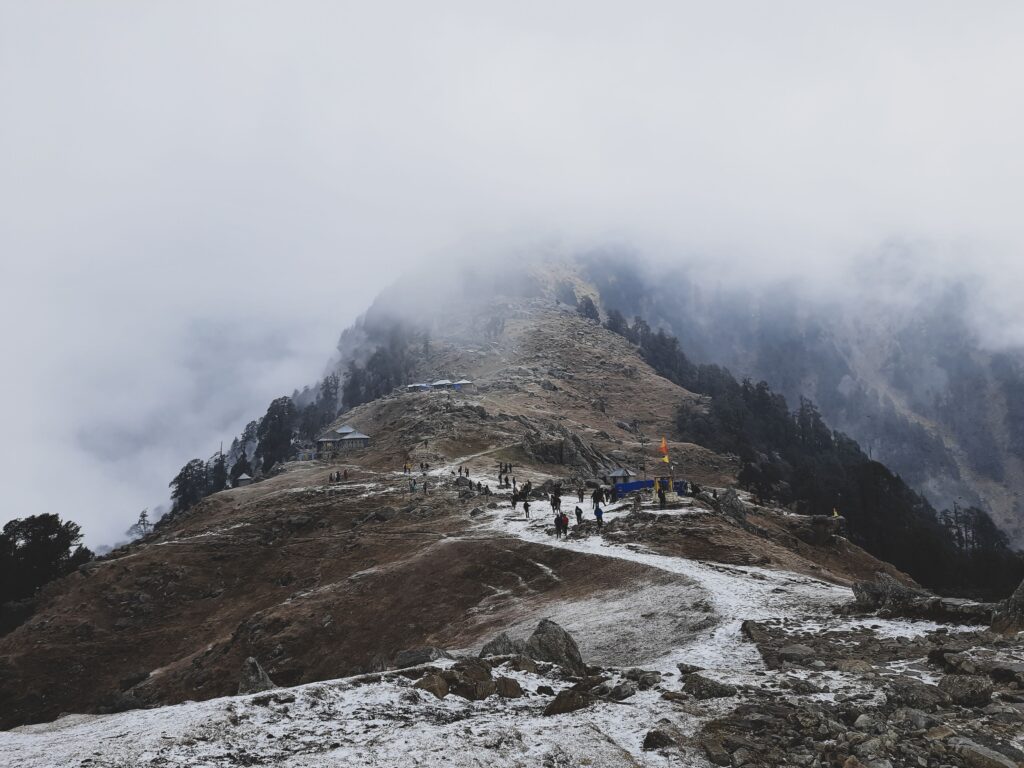
Triund Trek Quick Facts
- Starting point: McLeod Ganj or Dharamkot, via the Galu Devi temple checkpoint
- Distance: Approximately 9 km one-way (about 7 km from the Galu temple trailhead)
- Elevation gain: Around 1,000 metres, finishing near 2,850 m
- Difficulty: Easy to moderate — no technical sections, but the final stretch is steep
- Time required: 4–6 hours up, 2–3 hours down; doable as a single long day or an overnight
- Best season: March–June and September–November
How to Reach the Triund Trek Starting Point
Most trekkers base themselves in McLeod Ganj or the quieter village of Dharamkot, both reachable by overnight bus or taxi from Delhi or Chandigarh (roughly 10–11 hours), or by flying into Gaggal Airport near Dharamshala. From McLeod Ganj, it’s a short walk or taxi ride to the Galu Devi temple, which marks the official start of the Triund trek trail.
Triund Trek Route Breakdown
From the Galu temple, the Triund trek climbs gradually through oak and rhododendron forest — shaded, well-marked, and dotted with small tea stalls roughly every kilometre. This middle section is the most pleasant part of the hike: gentle gradient, good footing, and regular chances to refill water or grab chai.
The final stretch before the ridge is where the trek earns its “moderate” rating. The path steepens noticeably and switches back through a series of zigzags over rockier ground. It’s short — well under an hour for most people — but it’s the part that separates an easy stroll from an actual trek. Once you crest the ridge, the gradient flattens out completely and the Triund meadow opens up in front of you.
Some trekkers extend the Triund trek another 2–3 km beyond the meadow to Laka Got and the Snowline Cafe for closer mountain views and fewer crowds, though this adds meaningful time and effort to the day. If you enjoy extending day hikes into longer routes, the Nohradhar-Churdhar trek is a good next step up in difficulty within the same region.
Triund Trek Permit, Fees, and Rules (2026)
The Triund trek is no longer a free, unregulated hike. The Himachal Pradesh Forest Department now collects an entry fee at the Galu checkpoint to fund trail maintenance and manage crowding — reported figures for the 2026 season vary by source, ranging from roughly ₹50 to ₹200 per person, so it’s worth confirming the current rate locally or with a trekking operator before you go. Keep your receipt; spot checks happen on the trail, and trekking without one can mean a fine.
Overnight camping rules for the Triund trek have also tightened. As of 2026, unrestricted tent-pitching on the open ridge is no longer allowed in the way it once was — overnight stays are generally limited to registered guesthouses and designated campsites. If an overnight at Triund is part of your plan, confirm current camping regulations with your hotel or a local operator before you commit, since enforcement and availability can change with little notice.
Best Time for the Triund Trek
March to June brings clear skies, wildflowers, and comfortable daytime temperatures — this is peak season for the Triund trek for a reason. September to November offers similarly reliable weather with crisper air and excellent visibility after the monsoon clears.
The monsoon months (July–August) bring slippery trails, leeches, and frequently obscured views, so most guides recommend avoiding this window for the Triund trek. Winter (December–February) transforms the route into a snow trek — beautiful, but colder, occasionally requiring microspikes on the upper section, and best attempted with a local guide if you’re not experienced in snow conditions.
What to Pack for the Triund Trek
- Footwear: Proper trekking shoes or sturdy sports shoes with grip — the upper rocky section is unforgiving in sandals or flat soles
- Layers: The ridge runs 10–15°C cooler than McLeod Ganj; pack a light jacket and windproof layer regardless of season
- Water: At least 2 litres to start; refill at the tea stalls along the way, since there’s no reliable water source on the upper section
- Cash: Tea stalls and the Magic View Cafe near the top are cash-only
- Sun protection: Sunscreen and sunglasses — the exposed ridge gets intense sun at altitude
- Headlamp or torch: Essential if you’re timing the trek around sunrise or sunset
- Basic first-aid and any personal medication
Tips for a Better Triund Trek
- Start early. Begin by 7–8 am to avoid both the midday heat and the afternoon clouds that frequently roll in and block the views.
- Pace yourself on the final climb. The zigzag section is where most people overexert — slow and steady beats fast and breathless.
- Check the weather before you commit to an overnight. Mountain weather here changes fast, and exposed camping in poor conditions is genuinely unpleasant.
- Carry your trash back down. The Triund trek’s popularity has come with a litter problem; pack out what you bring in.
- Hire a local guide if you’re trekking solo and inexperienced, especially outside peak season or if conditions are uncertain.
Is the Triund Trek Worth It?
For the effort involved, very few treks in India offer this much payoff. The Triund trek gives you genuine Himalayan scale — snow-capped peaks close enough to feel tangible — without needing days of acclimatisation or technical skill. It’s an easy recommendation for first-time trekkers, families with older kids, and anyone short on time but craving real mountain air. If you’re building out a longer Himachal itinerary, pair it with a cultural stop like Mahasu Devta or a more remote trek like Yulla Kanda for contrast.
Note: Permit fees and camping regulations for the Triund trek have changed several times in recent years and continue to evolve. Always confirm current rules with the forest checkpoint or a local trekking operator before you go.